Stock Loans Against South Korea-Listed Equity
Institutional securities-backed lending against shares listed on South Korea’s principal equity exchanges — for controlling shareholders, founders, and family offices holding positions on the FSC / FSS-regulated market. Locally, securities-backed lending of this kind is known as 주식담보대출.
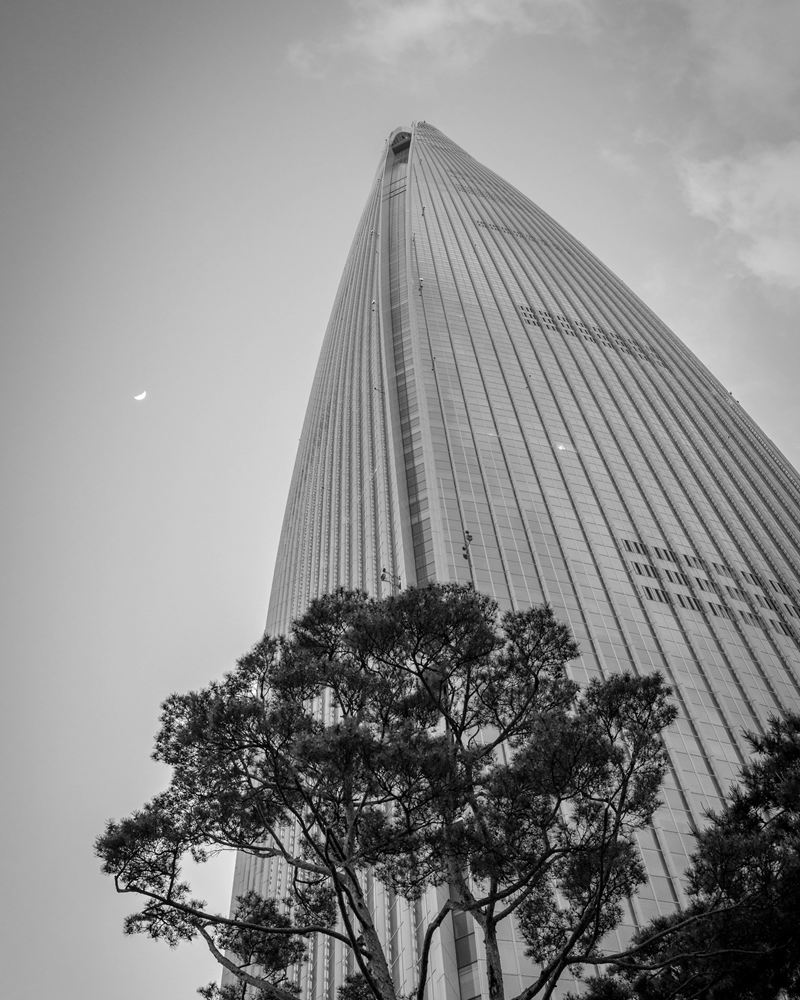
South Korea equity markets.
The firm structures stock loans against shares listed on South Korea’s one principal cash equity venue. The instrument allows founders, family offices, controlling shareholders, and concentrated single-stock holders to release liquidity against their South Korea-listed position — without selling, and without disturbing voting control or the share register. Beneficial ownership remains with the borrower throughout. The full position is recovered on repayment.
Indicative terms are calibrated to the specific position. Loan-to-value is set against the underlying’s single-stock liquidity and free float. Tenor typically runs twelve to thirty-six months for institutional transactions. Recourse profiles span non-recourse, limited-recourse, and full-recourse — chosen against the borrower’s downside-protection objectives. Loans can be denominated in KRW or in cross-currency structures (USD, EUR, GBP, or another major currency) depending on the borrower’s redeployment requirements.
South Korea stock loans at a glance:
| Listed venue | Korea Exchange (KRX) |
|---|---|
| Regulator | Financial Services Commission / Financial Supervisory Service (FSC / FSS) |
| Currency | KRW, with cross-currency options |
| Principal indices | KOSPI 200, KOSPI Composite, KOSDAQ 150 |
| Tenor | 12–36 months (institutional) |
| Recourse profile | Non-recourse, limited-recourse, or full-recourse |
| Loan-to-value | Calibrated per position |
Regulatory references for any specific transaction are mapped at the structuring stage with the borrower’s chosen counsel. The information above is published for general orientation and is not legal advice.
On this market, specifically.
Disclosure and regulation
Korea’s large-shareholding rules under Article 147 of the FSCMA require a report once a holder reaches 5% of a listed company, with further filings on each 1% change and a filing window that, for general investors, runs to ten days. The report reaches security arrangements, so a pledge over a substantial holding is ordinarily disclosed rather than private, and the stated purpose of the holding affects the reporting burden. For a controlling family or founder, this sits alongside insider-trading rules and closed dealing periods, so the pledge is timed and worded with the public filing in mind.
An illustrative example
By way of illustration only, consider a founder holding KRW 50 billion of a large-cap KOSPI 200 company. The pledge releases cash while the shares stay in the founder’s name and the upside is retained. How much is released is the loan-to-value, and no percentage or band is published for it, because the ratio is a property of the collateral rather than of the product: the traded volume and free float of that line, its price volatility, whether it sits on KOSPI or the more volatile KOSDAQ, how large the pledge is against both the issuer and the holder’s wider wealth, the Korean settlement and enforcement regime, the funding currency, and any closed-period or Article 147 reporting constraint. It is fixed only after the actual holding has been reviewed. Funding can be arranged in KRW or on a cross-currency basis against the won collateral. The holding size is round and hypothetical, offered only to show how an advance is sized against a Korea Exchange position.
Illustrative only — not an offer, a quotation, or a commitment to lend.
Each South Korea exchange, covered.
What people most often ask about South Korea.
Q · 01 What is the typical loan-to-value for a stock loan against KRX-listed positions?
Q · 02 Which KRX-listed segments are eligible for stock loans?
Q · 03 In which currency can a KRX stock loan be denominated?
Q · 04 Are there foreign-ownership constraints on KRX-listed shares relevant to a pledge?
Q · 05 Is 주식담보대출 the same as a stock loan?

A specific South Korea position to discuss?
Submit a confidential enquiry. A senior principal will respond within one business day.